How Catch Limits Work in Canada
A daily catch limit is the maximum number of fish of a given species an angler may land in a single day. A possession limit is the maximum number of that species an angler may have in their possession at any one time — at the lake, in the car, in a cooler, or at camp. Most provinces set the possession limit at twice the daily limit, but this is not universal.
Minimum size rules exist to protect juvenile fish from harvest before they've had a chance to reproduce. Keeping fish below the minimum size is a violation regardless of whether the daily limit has been reached.
Regulations in this article reflect general provincial rules. Many waters are subject to special regulations — particular lakes or river sections may have lower limits or be closed entirely. Check the zone-specific summary for the water you intend to fish.
Ontario Catch Limits
Ontario publishes an annual Ontario Fishing Regulations Summary that lists limits by Fisheries Management Zone (FMZ). There are 20 FMZs in Ontario, each with its own rules. The table below shows general province-wide limits for common species under the Sport License. Conservation License holders typically have lower daily limits.
| Species | Daily Limit (Sport) | Daily Limit (Conservation) | Minimum Size |
|---|---|---|---|
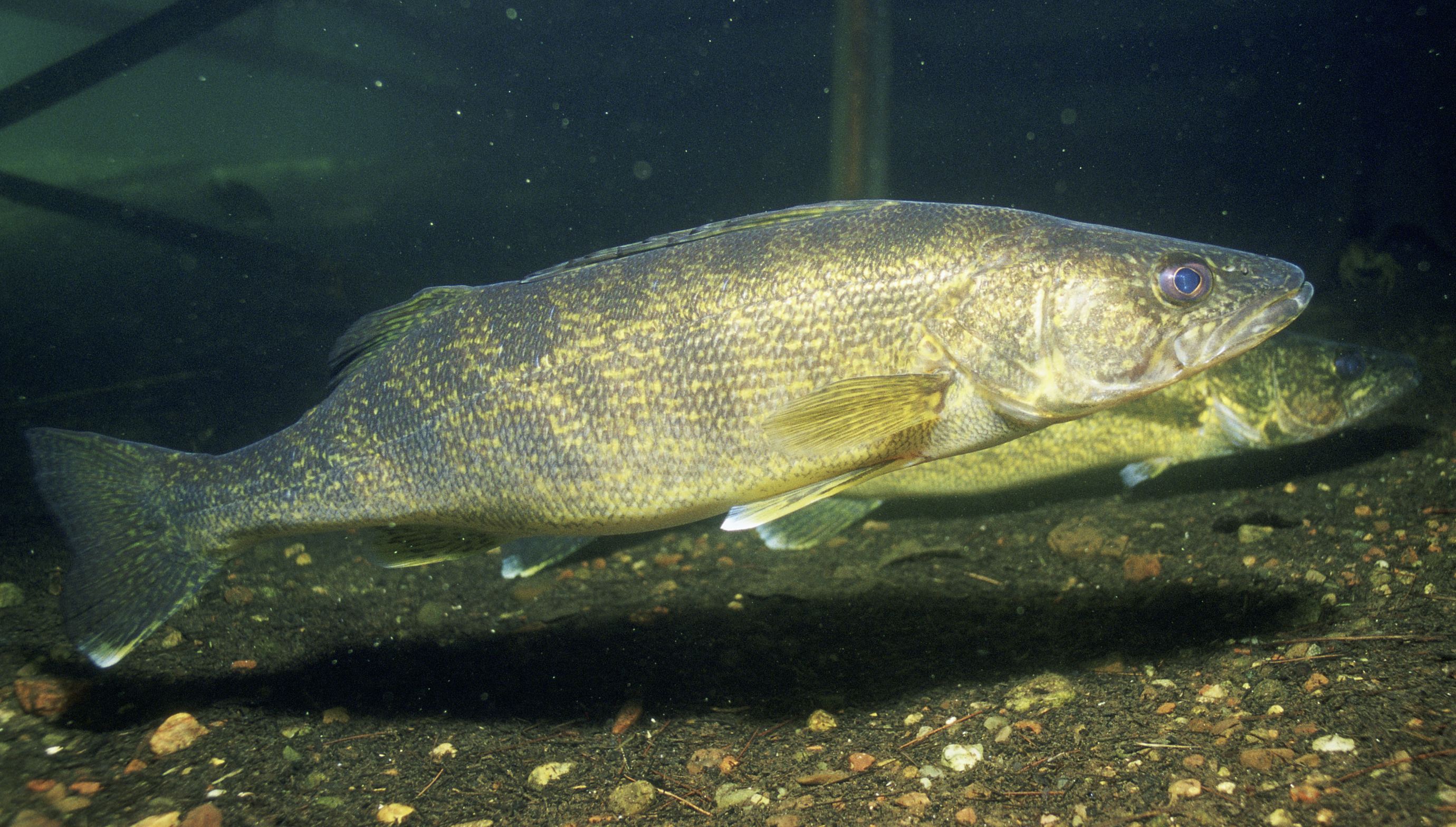
| Walleye / Sauger | 6 (combined) | 4 (combined) | No general minimum (zone varies) |
| Northern Pike | 6 | 4 | No general minimum |
| Largemouth / Smallmouth Bass | 6 | 2 | 30 cm (some zones) |
| Lake Trout | 2 | 1 | No general minimum (zone varies) |
| Brook Trout | 5 | 2 | No general minimum |
| Yellow Perch | 50 | 25 | No general minimum |
Zone-Specific Overrides
Certain FMZs carry more restrictive rules than the general province-wide defaults. FMZ 15 (Lake of the Woods area) has long been a concern for walleye management, and its limits have at times been lower than the general Sport limit. Georgian Bay tributaries in FMZ 17 have trout-specific restrictions tied to spawning season closures. Checking the FMZ table in the regulations summary before fishing a new area prevents unintentional violations.
Possession and Transport
Ontario's possession limit for most species is twice the daily catch limit. Fish transported from a camp or cottage must have a label attached identifying the owner, date of catch, and number of fish — this applies when the fish are not in the owner's immediate possession.
British Columbia Catch Limits
BC freshwater regulations follow the BC Freshwater Fishing Regulations Synopsis, published jointly by the Ministry and Freshwater Fisheries Society of BC. BC uses regions and sub-regions rather than numbered management zones, and limits can vary down to the individual stream.
| Species | General Daily Limit | Possession | Notes |
|---|---|---|---|
| Rainbow Trout | 5 (general) | 10 | Many waters: catch-and-release only for wild fish |
| Steelhead | 2 (hatchery-marked only) | 2 | Wild steelhead: catch-and-release in most regions |
| Chinook Salmon | 2 | 4 | Varies by river and season |
| Sockeye Salmon | 2 | 4 | Some rivers closed |
| Kokanee | 10 | 20 | Landlocked sockeye |
| Northern Pike | Unlimited in designated waters | Unlimited | Invasive in BC; active removal encouraged |
Wild vs Hatchery Fish in BC
BC's catch regulations for trout and salmon increasingly distinguish between wild and hatchery-origin fish. Hatchery fish are typically identified by a clipped adipose fin. On many BC rivers, anglers may retain hatchery-marked fish while being required to release all wild (adipose-intact) fish of the same species. This distinction is critical — it's not enough to know the daily limit without also knowing whether the target fish qualifies for retention.
Alberta Catch Limits
Alberta's Guide to Sport Fishing Regulations is organized by Fisheries Management Zone (18 zones). The province has invested significantly in lake trout and walleye habitat management, and limits reflect that focus.
| Species | Daily Limit (general) | Possession | Minimum Size |
|---|---|---|---|
| Walleye / Sauger | 3 (most zones) | 6 | No general minimum |
| Northern Pike | 5 | 10 | No general minimum |
| Lake Trout | 2 | 4 | No general minimum |
| Brook Trout | 5 | 10 | No general minimum |
| Mountain Whitefish | 10 | 20 | No minimum |
| Yellow Perch | 15 | 30 | No minimum |
Alberta's Slot Limits
Several Alberta lakes use slot limits for walleye rather than a simple minimum or maximum size rule. A slot limit requires that fish within a specific size range be released — for example, retaining walleye under 37 cm or over 55 cm, while all fish between 37–55 cm must be released. The slot protects the most reproductively active fish, which tend to fall in the middle size range. This approach has been used effectively in lakes like Lac Ste. Anne and Pigeon Lake.
Responsible Angling and Catch-and-Release
Even when limits allow for harvest, experienced anglers often practice selective retention — keeping smaller, more abundant fish and releasing larger specimens that contribute more to spawning. The Department of Fisheries and Oceans publishes guidelines on proper catch-and-release handling to minimize post-release mortality.
Techniques that reduce injury include barbless hooks (required in many zones), wet hands when handling fish, keeping fish in water during unhooking, and avoiding deep hooks by using appropriate hook sizes for the target species.
Limits, size rules, and zone designations change annually. The tables above are reference summaries only. Always obtain the current year's regulations from the provincial authority before fishing. Fines for violations are substantial in all three provinces.